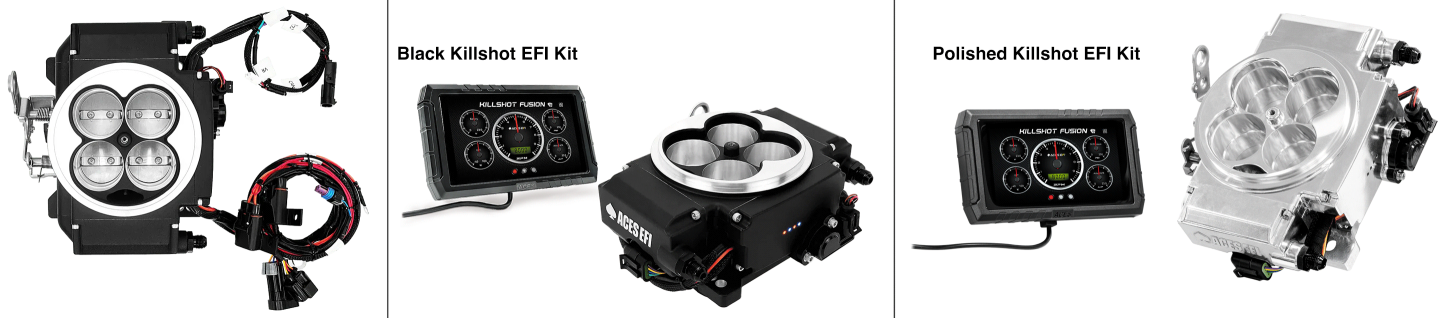
Killshot Fusion
Traditional Engine EFI
4-barrel throttle-body EFI for classic V8 applications.
View Killshot Fusion →

Modern EFI, fuel delivery and ignition for the classic truck you already love. Start with the system that fits your engine, then build the fuel and ignition setup around it.
Find Your System →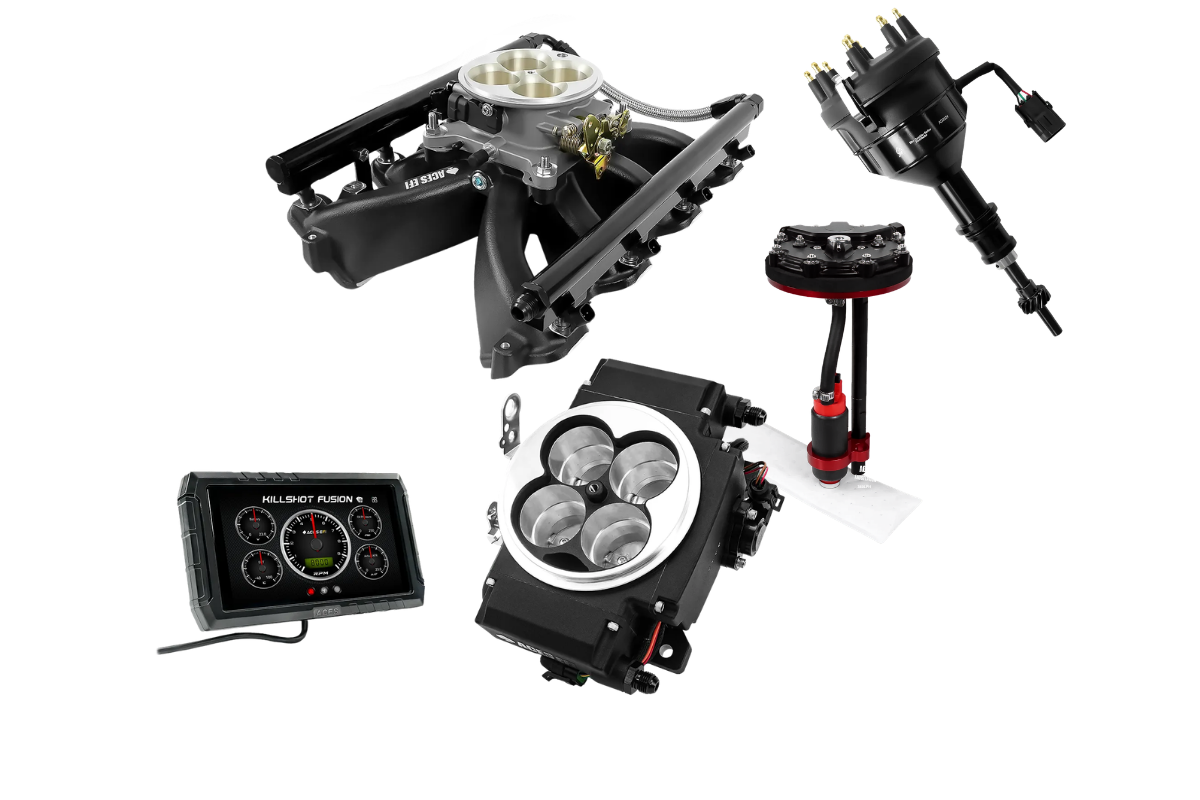
Choose your truck once and we'll show only the Aces EFI products LMC Truck offers for that vehicle.
Start Here
Choose your truck above and we'll narrow this lineup to the Aces EFI products LMC Truck offers for your vehicle. Not sure what you need? Start with your engine, then build the fuel and ignition system around it.
Start with the engine in your truck.
4-barrel throttle-body EFI for classic V8 applications.
View Killshot Fusion →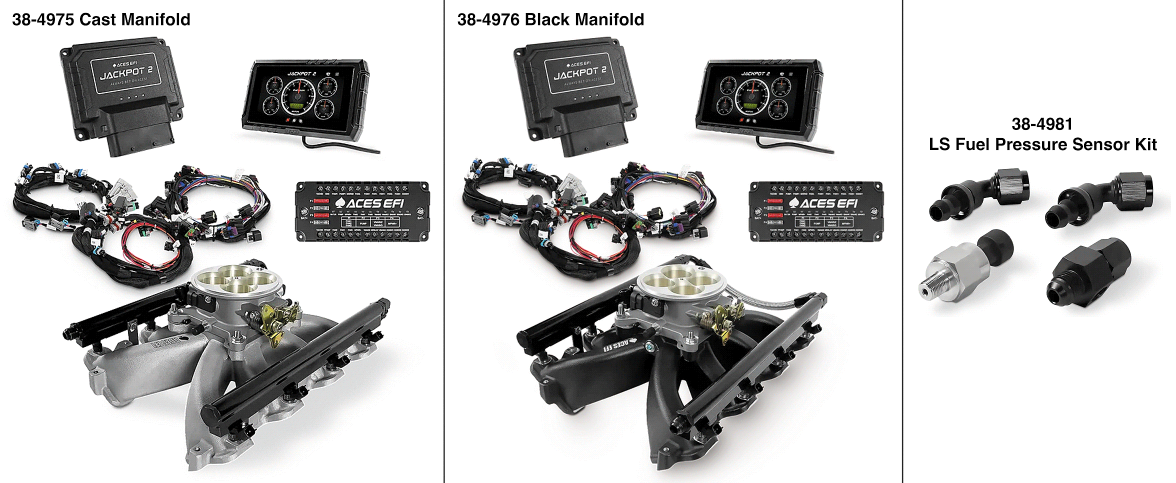
Standalone EFI and ignition management for many Gen III and Gen IV LS engines.
View Jackpot 2 →Choose the setup that fits your tank and installation.
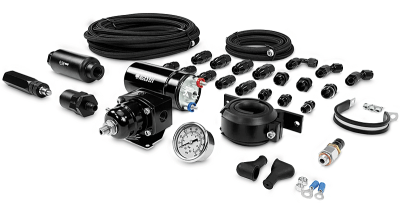
An EFI fuel-delivery option built around an externally mounted in-line pump.
View In-Line Kit →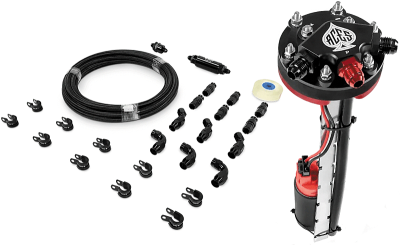
A compact in-tank option for installations where clearance matters.
View Tight-Fit Kit →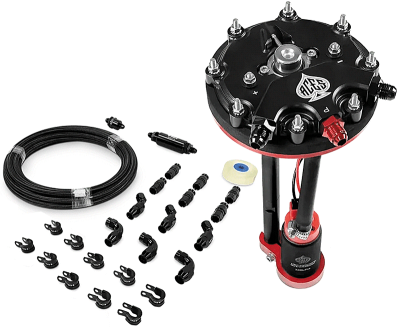
A higher-flow tank-conversion option with an internal regulator.
View Tank Conversion →Supporting pieces for a complete conversion.
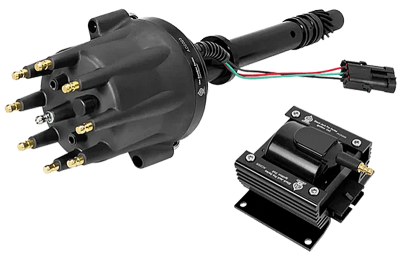
Compatible ignition hardware for customers adding electronic timing control.
View Gambler Ignition →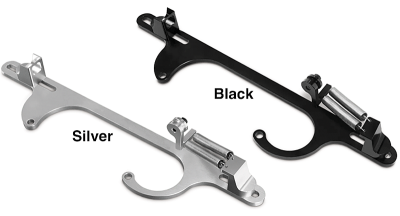
Throttle cable bracket options for supported Aces EFI installations.
View Brackets →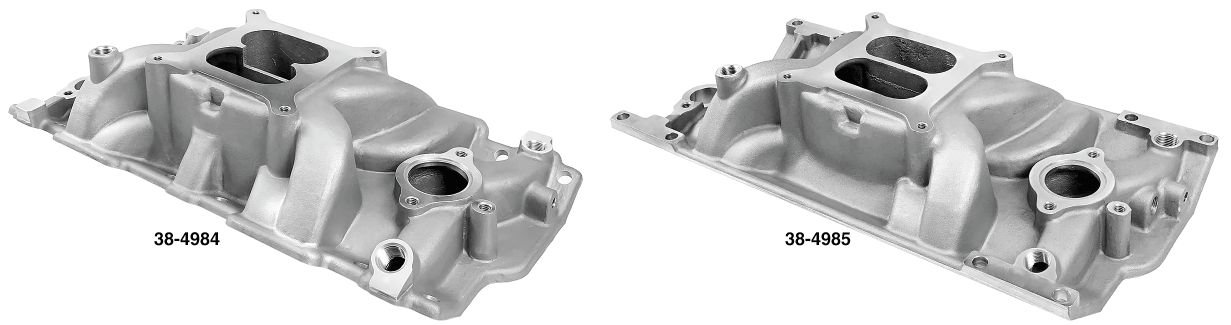
A dual-plane intake option for applicable small-block Chevrolet combinations.
View SBC Intake →
From the LMC Garage
We installed Aces Killshot Fusion EFI on two very different classic C10s—a 1967 with a 327 and four-speed, and a 1985 with a 305 and 700R4. See what worked, what we learned and what we got wrong along the way.
Read the Install Story →Not Sure What You Need?
EFI gets much easier to understand when you start with the engine that's in the truck. From there, fuel delivery and ignition become supporting pieces of the system.
If you're replacing a carburetor on a traditional V8, Killshot Fusion is the place to start. Its 4-barrel throttle-body design fits the familiar 4150-style layout while adding modern electronic fuel control.
Learn About Killshot →Running a GM Gen III or Gen IV LS engine? Jackpot 2 provides standalone control for many LS applications and is the natural starting point for an LS-swapped classic truck.
Learn About Jackpot 2 →Your existing mechanical or low-pressure electric fuel setup may not be enough. EFI requires the correct pressure and fuel supply, which is why fuel delivery is part of the conversion—not an afterthought.
Learn About Fuel Delivery →Fuel control is only part of the equation. A compatible ignition system can let the EFI system work with more precise timing information and control.
Learn About Ignition →Traditional Engine EFI
Killshot Fusion is a 4-barrel throttle-body EFI system designed for customers who want modern fuel control without changing the character of the engine already in their truck. It combines the throttle body and ECU in a compact package and uses self-learning fuel control to simplify tuning.
LS Engine Management
Jackpot 2 is a standalone engine-management system for many 1997–2014 GM Gen III and Gen IV LS engines. It supports common 24x/1x and 58x/4x trigger patterns and gives an LS-swapped truck the fuel and spark control it needs without relying on the original vehicle electronics.
Fuel Delivery
An EFI conversion needs more than a throttle body. The fuel system has to provide consistent pressure and flow, which is often very different from the system that supported the original carburetor. Aces offers multiple ways to build that supply around the truck and tank you already have.
Ignition
The Gambler Series uses Hall-effect triggering to provide a clean, precise engine-position signal for compatible EFI and ignition setups. It is a natural option for customers who want their EFI conversion to extend beyond fuel control and into ignition timing.
Think of EFI as a System
A successful EFI conversion depends on the engine, fuel supply and ignition working together. These are the two areas customers most often need to think about beyond the EFI unit itself.
Carbureted trucks typically operate at much lower fuel pressure than EFI systems. Converting to EFI may require a different pump, filtration, plumbing and regulator setup so the EFI system receives steady fuel pressure under all driving conditions.
EFI can manage fuel without controlling ignition, but compatible ignition components can give the system better engine-position information and allow fuel and timing to work together as a more complete engine-management package.
EFI Questions?
You don't have to be an EFI expert to choose the right direction for your truck.
Electronic fuel injection uses electronic sensors and an ECU to determine how much fuel the engine needs. Compared with a traditional carburetor, EFI can automatically make fuel adjustments as operating conditions change.
Common reasons include easier starting, more consistent drivability, automatic fuel compensation and less need for manual carburetor tuning. EFI does not change what makes a classic engine a classic—it changes how fuel is managed.
Killshot Fusion is a throttle-body EFI system intended for traditional engines that would normally use a 4-barrel carburetor. Jackpot 2 is a standalone engine-management system for many GM Gen III and Gen IV LS engines.
Often, yes. EFI systems generally require more fuel pressure than a carbureted fuel system. The correct pump and plumbing depend on the EFI system, fuel tank and installation layout.
Either approach can work when properly matched to the application. An in-line system can be useful when working with an existing tank, while an in-tank solution can provide a cleaner installation for trucks where the tank and available space support it.
Not every installation requires an EFI-controlled distributor. The Gambler Series becomes especially relevant when you want compatible electronic timing control as part of the overall EFI system.
Yes. That's one of the main reasons throttle-body EFI systems like Killshot Fusion are appealing for classic trucks: you can retain a traditional engine while modernizing how fuel is delivered and controlled.